
As the world continues to shift towards renewable energy sources, electric vehicles (EVs) are becoming an increasingly popular mode of transportation. However, in order to fully realise the benefits of EVs, it’s important to charge them using renewable energy sources. This blog post explores the numerous benefits of using renewable energy for EV charging and its potential to revolutionise the Australian transportation sector.
Understanding Renewable Energy and EV Charging
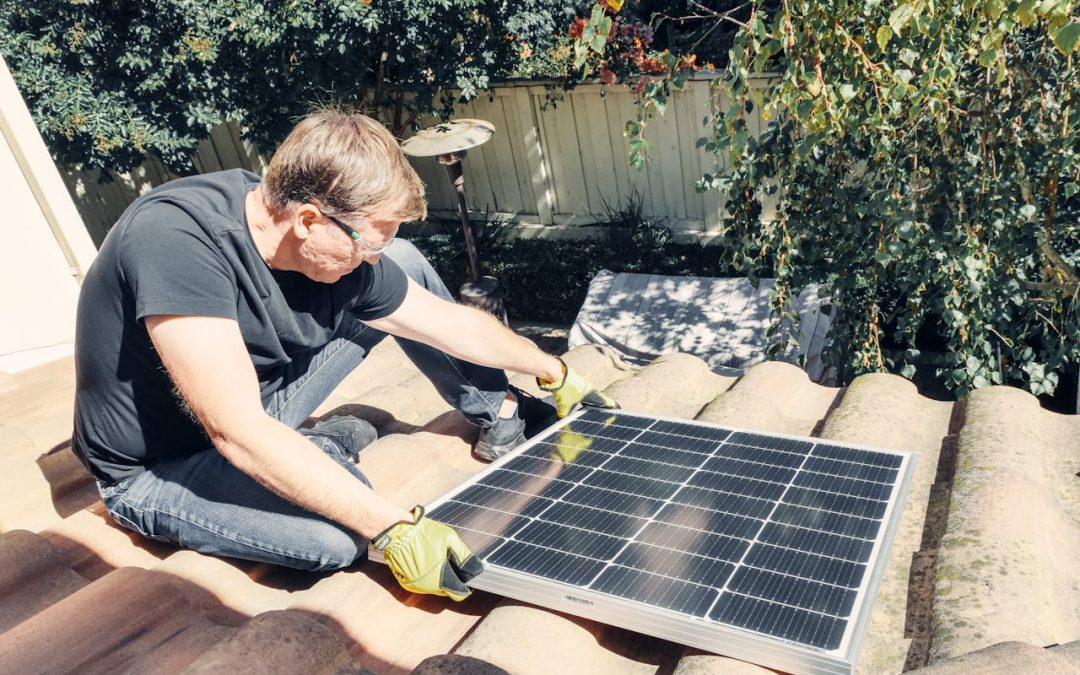
Renewable energy sources, such as solar and wind power, provide clean electricity that can be used to charge electric vehicles. In Australia, solar energy is particularly abundant and well-suited for EV charging. Solar EV charging systems typically consist of solar panels installed on rooftops or in dedicated areas, which generate electricity to power EV chargers.
There are several ways to integrate solar power with EV charging:
- Rooftop Solar: Home solar charging systems can be optimised to charge EVs when excess electricity is generated.
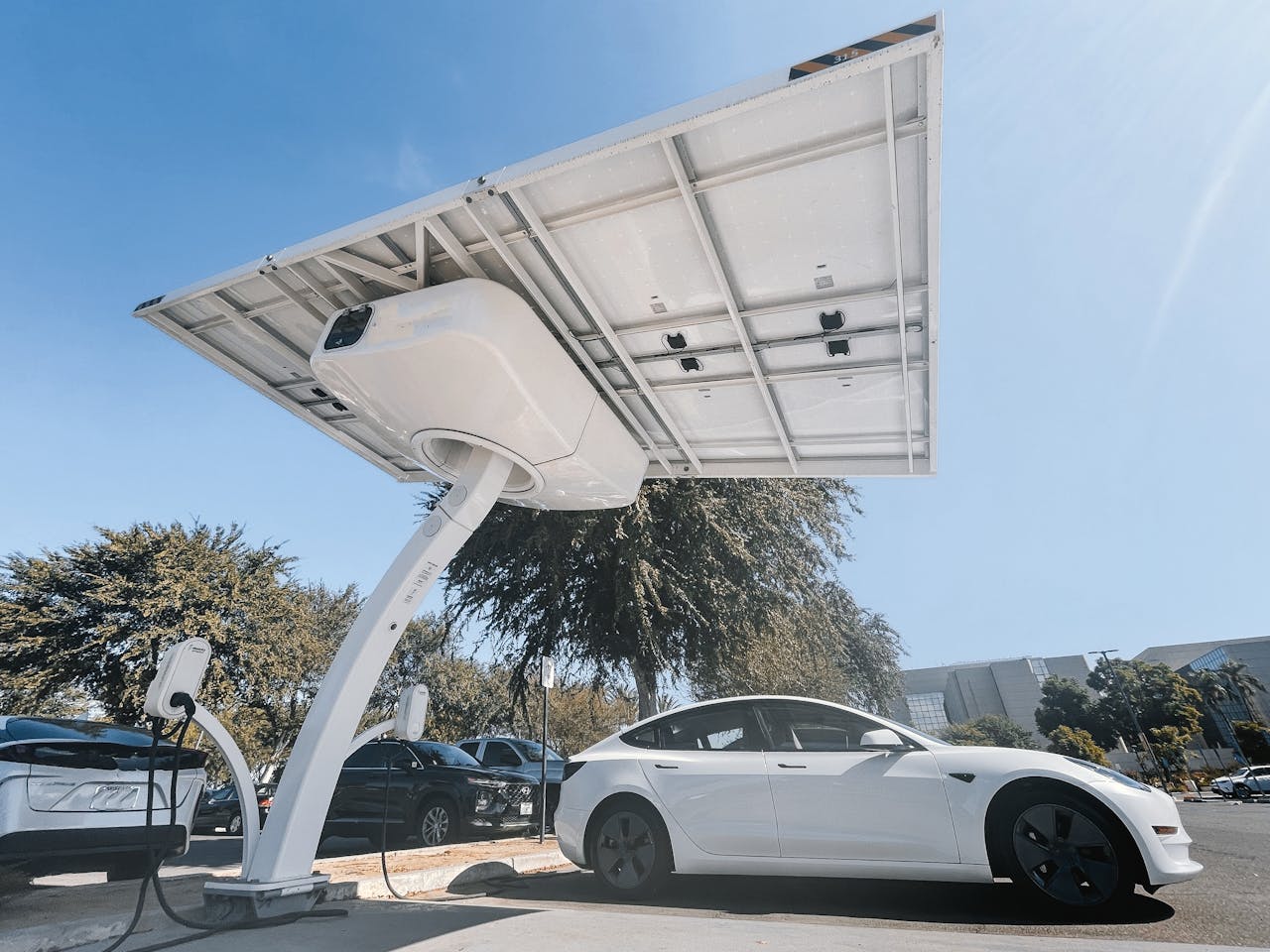
- Solar-Powered Public Charging Stations: Some public charging stations feature onsite solar panels.
- Community Solar: Subscribers can use their portion of a shared solar array to charge EVs at home.
- Vehicle-Attached/Added Photovoltaics: Solar panels can be added to existing vehicles to provide additional power.
- Vehicle-Integrated Photovoltaics: Solar modules can be seamlessly integrated into vehicle design.
Environmental Benefits Of Renewable Energy for EV Charging
1. Reduced Carbon Emissions
Perhaps the most significant benefit of using renewable energy for EV charging is the reduction in carbon emissions. EVs are already more environmentally friendly than traditional gas-powered vehicles, but by charging them with renewable energy sources, their carbon footprint can be reduced even further. Renewable energy sources such as solar, wind, and hydroelectric power generate electricity without producing carbon emissions, making them an ideal choice for EV charging. This approach not only reduces greenhouse gas emissions but also contributes to improved air quality in urban areas, supporting Australia’s climate goals and public health initiatives.
2. Lower Cost of Ownership
In addition to the environmental benefits, using renewable energy for EV charging can also save money in the long run. As the cost of renewable energy continues to decrease, it can be significantly cheaper than traditional fossil fuels over the lifetime of an EV. By charging your EV with renewable energy, you can reduce your fuel costs and save money on maintenance, since EVs have fewer moving parts than gas-powered vehicles. Over time, these savings can offset the initial investment in solar infrastructure, resulting in long-term financial benefits.
3. Increased Energy Independence
By using renewable energy sources for EV charging, individuals and communities can become more energy independent. Renewable energy sources can be generated locally, reducing reliance on imported fossil fuels and creating local jobs in the renewable energy industry. This increased energy independence can also improve energy security and help protect against price fluctuations in fossil fuel markets.
Using renewable energy for EV charging promotes energy independence and helps stabilize the power grid. Solar EV chargers can operate independently of the grid, providing remote charging capabilities and enhancing resilience during power outages or emergencies. This grid independence allows EV owners to maintain mobility even when traditional power sources are unavailable.
Moreover, by reducing reliance on the traditional power grid, renewable energy charging solutions help mitigate peak demand issues and contribute to a more stable and efficient energy system.
4. Convenience and Accessibility
Renewable energy, particularly solar power, makes EV charging more convenient and accessible. Home solar systems allow EV owners to charge their vehicles without leaving their property, which is especially beneficial in urban areas with limited public charging infrastructure. Additionally, solar energy is available 24/7, providing flexibility in charging times and reducing dependence on public charging stations.
Technological Advancements
The integration of renewable energy with EV charging has spurred numerous technological advancements:
- Smart Charging Systems: These optimise charging based on energy availability and pricing.
- Load Management: Balancing energy distribution between household needs and EV charging.
- Vehicle-to-Grid (V2G) Technology: Allowing EVs to feed energy back into the grid during peak demand.
These innovations enhance the efficiency and effectiveness of renewable energy charging solutions, making them increasingly attractive to consumers and businesses alike.
Economic Benefits for Australia
The adoption of renewable energy for EV charging can bring significant economic benefits to Australia:
- Job Creation: Growth in the renewable energy sector leads to new employment opportunities.
- Local Industry Boost: Increased demand for solar installations and EV charging infrastructure supports local businesses.
- International Investment: Australia’s commitment to clean energy attracts global investors and companies.
Overcoming Challenges
While the benefits of renewable energy for EV charging are clear, there are challenges to address:
- Initial Installation Costs: The upfront investment in solar infrastructure can be significant, though costs are decreasing.
- Energy Storage: Improving battery technology to store excess solar energy for nighttime or cloudy day charging.
- Public Awareness: Educating consumers about the benefits and availability of renewable energy charging options.

Future Outlook
The future of renewable energy in EV charging looks promising. As technology advances and costs continue to decrease, we can expect to see wider adoption of solar-powered charging solutions. Government policies supporting clean energy and EV adoption will likely accelerate this trend, making renewable energy charging the norm rather than the exception.
Conclusion
Using renewable energy for EV charging can provide significant benefits for individuals, communities, and the environment. By reducing carbon emissions, lowering the cost of ownership, increasing energy independence, improving air quality, and reducing noise pollution, renewable energy sources can help create a more sustainable future for all. As renewable energy technology continues to improve and become more affordable, the future of EV charging looks bright.
As an EV owner or potential buyer, consider exploring renewable energy charging options. Explore our home EV charger installation services to find the right solar-compatible solution for your home.
About the Author
Dean Postlethwaite — Licensed Electrician & Founder, Sydney EV Chargers
Dean is a NSW-licensed electrical contractor (Lic. 385197C) with 18 years of experience and over 500 EV charger installations completed across residential, commercial, and strata properties throughout Sydney. He holds manufacturer certifications across 17+ EV charging platforms including Tesla, Smappee, myenergi, and Wallbox.